Table Of Content

Dr. Ansell recommends doing a patch test (especially if you have sensitive skin) by applying a small amount to your forearm, letting it dry, and monitoring it for 24 hours. "If irritation occurs, gently wipe off the rosemary oil with soap and water," the expert continues, adding that the irritation should subside quickly. But if it persists, she suggests an over-the-counter cortisone cream to shut down symptoms quickly. While rosemary oil is often hailed as an effective ingredient for promoting hair growth, these are the proven benefits supported by clinical evidence.
Side Effects: When to Use Rosemary Water With Caution
For most men, going bald (either partially or completely) has long been an inescapable part of the aging process. It's so ubiquitous that by the age of 35, approximately 66 percent of men will have experienced some degree of hair loss. While there are a few FDA-approved topical treatments and oral medications, recently people on TikTok are claiming that using rosemary oil for hair growth is just as effective as over-the-counter drugs. While people mistake rosemary oil for rosemary extract, the two have notable differences. According to Iris Rubin, MD, a board-certified dermatologist and SEEN Skin & Hair Care founder, rosemary oil is purer and, thus, more potent.
Can I apply rosemary oil directly to my scalp?
In addition, some participants in the minoxidil study who used rosemary oil were less likely to experience an itchy scalp compared to those who used the Rogaine ingredient. This might be reflective of rosemary's antifungal and antibacterial properties, which could allow it to help treat dryness, itchiness, and dandruff on the scalp. According to William Gaunitz, certified trichologist and founder of Advanced Trichology, a 2015 study compared minoxidil (an FDA-approved treatment for hair loss) to rosemary oil over a period of six months. Both products had comparable results, but the rosemary oil was actually more beneficial, as it was less irritating to the scalp. There are very few negative side effects of using rosemary oil on your hair and scalp, as it’s well tolerated by most skin and hair types.
How Long Does it Take to Regrow Hair After Using Rosemary Oil?
Rosemary oil, she says, is strong and can cause irritation to sensitive areas, so it is best to consult with your dermatologist when deciding if it's a good option for you. Just like any new ingredient you’re introducing to your routine, be careful and start off slowly to gauge if your hair and skin can take it. "It’s formulated with peppermint, rosemary and lavender oils which work to calm and invigorate," he says. If you’d rather not take the time to mix your own lotions and potions, you can try a rosemary-infused hair product recommended by stylists Holdsworth and Jacob Schmidt, senior stylist at Sally Hershberger NoMad, below. This oil is extracted from the Rosemarinus officinalis—or rosemary—plant, a fragrant evergreen shrub native to the Mediterranean region that sprouts blue or whitish flowers. You're probably most familiar with this plant as a garnish for some of your favorite savory dishes—it has an earthy taste and many powerful compounds that provide myriad health benefits.
effective home remedies to prevent hair loss
"Mix it in with your shampoo using about two to three drops only," she says, adding that rosemary oil can be used on either wet or dry hair. If you’re using it on hair as a hair oil, you can also apply it to the ends for lubricant and emollient properties. Both Dr. Garshick and Dr. King say that rosemary oil can be applied directly on hair or scalp for maximum benefits.
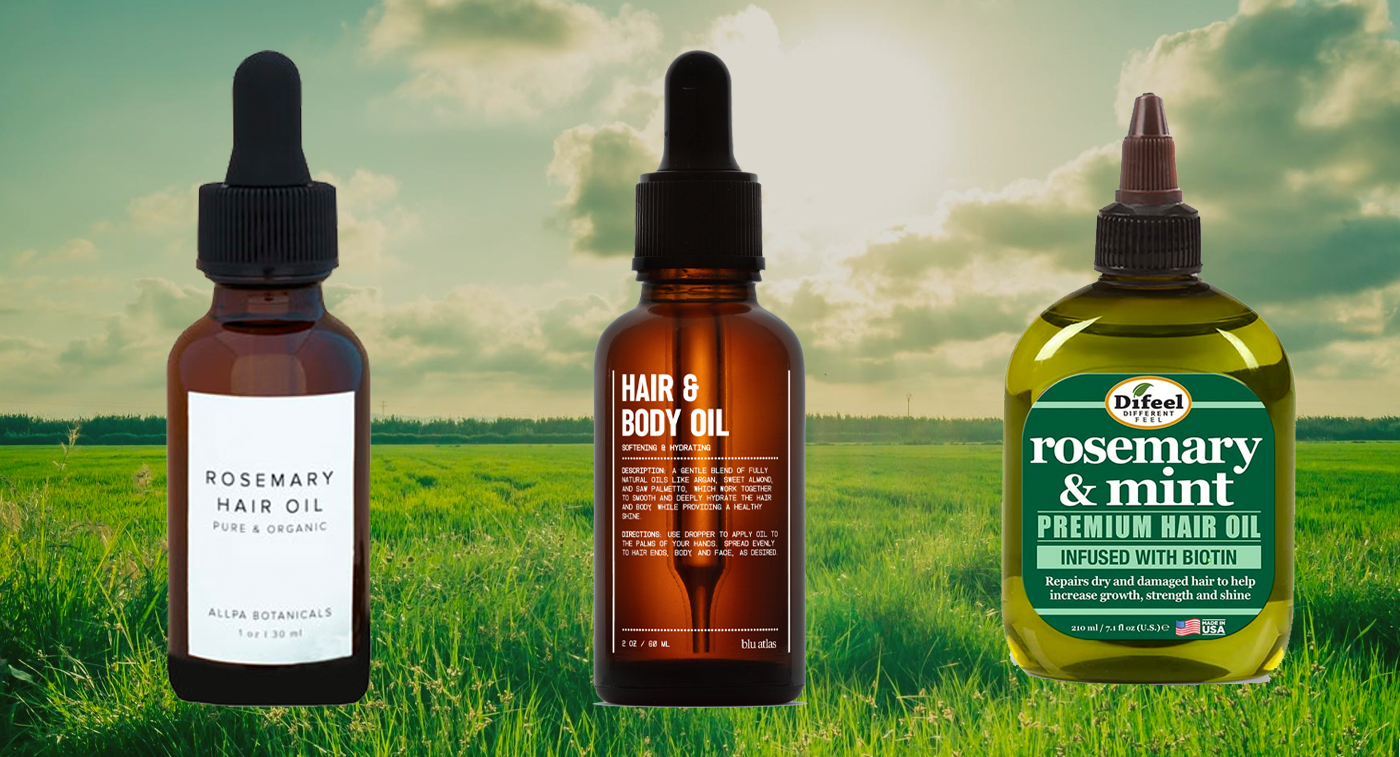
When you wash your hair, add a few drops of rosemary oil to your shampoo. Start with two or three drops per application of the shampoo product (such as a sample of the shampoo the size of a U.S. quarter). This article will review the possible benefits of rosemary oil for hair growth, its side effects, and how to use it safely. The benefits are endorsed due to the plant's antioxidant, anti-inflammatory, and neurological properties.
According to Dr. Kobets, rosemary oil may help in androgenetic alopecia by blocking damaging hormones in the scalp. According to Majeed, studies have shown rosemary oil to be effective at healing nerve endings and promoting hair restoration. If you’d like to learn more about using rosemary oil for hair, check out our in-depth interview with Lorena Barcal. This top-selling treatment from Hask combines purifying tea tree oil with soothing rosemary oil to treat and heal. With that being said, Dr. Garlapati says the oil is safe for all hair types, including color-treated hair.
Growth Market: How Rosemary Oil Can Help Your Hair
This article was written by Shanti of Around the Way Curls and originally published on CurlyNikki. Her source for today’s research comes from the book entitled “Back to Eden” written by Jethro Kloss. This article was published in 2015 and has been updated for clarity.
According to James, rosemary oil can safely be combined with most other essential oils. The Food and Drug Administration (FDA) does not regulate herbal products like essential oils for purity or potency. That means you will want to do your due diligence when purchasing essential oils for use in your hair and on your scalp.
If you need to, repeat the process until you’re only left with infused water. You’ll probably notice the water will turn yellowy green—this is normal. If you desire a stronger formula, you can let it simmer for one to two hours.
Rosemary oil for hair: Growth, uses, benefits and more - TODAY
Rosemary oil for hair: Growth, uses, benefits and more.
Posted: Fri, 08 Mar 2024 08:00:00 GMT [source]
Much like oregano, peppermint, and cinnamon, rosemary is frequently found in essential oil form. Essential oils are highly concentrated and distilled extracts of volatile plant compounds. These are used for cooking, cleaning, beauty, health, and other purposes. “If you're interested in trying oils for hair growth, I encourage you to do so — but remember to use it in moderation and conjunction with other healthy hair practices,” he concludes.
First, we'll cover how to do this with the rosemary plant and then an option for those who prefer to use essential oil instead. There is one more recent, promising study that looked at the effects of rosemary oil on hair growth. This study was focused on using rosemary oil to treat male pattern baldness.
Dandruff is a common scalp condition that causes the skin on the scalp to flake. According to a 2022 Combinatorial Chemistry and High Throughput Screening review, essential oils have a strong potential to be developed as anti-dandruff products. In addition to reducing hair loss and stimulating hair growth, rosemary has been linked to other hair and scalp benefits, including reducing dandruff and limiting premature graying. While both share many benefits for hair regrowth and scalp health, there are a few things that set rosemary water apart from rosemary oil. For one, it has unique properties that the oil doesn’t, including tannins, saponins2, and pH-balancing effects.
Dr. King agrees and adds that rosemary oil can help reduce dandruff, scalp acne, and other types of redness and irritation thanks to its antimicrobial and anti-inflammatory properties. It can be used for all hair types, but Dr. Garshick says that it is especially beneficial for those dealing with hair loss, breakage, or shedding. When it comes to hair growth and overall hair health, rosemary oil has some proven benefits. Dr. Garshick says some studies have shown that it can produce similar results to hair growth medication minoxidil after six months. "It is thought to help improve circulation in the scalp," she explains.


No comments:
Post a Comment