Table of Content
KPIs need to address all aspects of a business, from the quality of care and client conversion to HR, marketing, and finance. The data collected by tracking KPIs provides statistics and enables a home healthcare agency to analyze its progress over a specific time, compare it to its industry peers and look for ways to improve its performance. By these criteria, our analyses indicate that changes in global ADL function may be of questionable utility as a performance indicator for nursing homes. Facility identity alone explained, depending on the group, only 8% to 14% of the variation in ADL functional change. Even when we added resident characteristics to facility identity, the total explained variation never exceeded 20%. The factors included in our models did not capture a minimum of 80% of the variation in functional change.
To measure demand for your services, tracking how many cancelled visits have occurred in a time period, or how many requests for additional care packages have been received and not started, can indicate the level of demand. To those who are not executives or data analysts, key performance indicators is an out-of-focus business term that is easier to avoid than to understand. But the reality is that KPIs are an everyman’s tool and are only as useful as employees outside the data world understand them — and see how their efforts drive an entire business forward.
Measure KPIs And Grow Your Home Health Business With Timeero
It’s an additional incentive to keep the readmission rate low not only during the resident’s stay but for 30 days after they leave. KPIs and existing clinical conditions must be closely monitored to manage high-risk residents’ admissions with risk-adjusted rates. While this is not new, it is more critical than ever to capture this information prior to admission. It is also important to consider referral software that can help you access real-time data so that your clinical admissions personnel can make the most informed decisions possible. This means that greater effort is required from non-profits to ensure profitability and sustainability don’t get in the way of care quality. Non-profit facilities also need to smartly balance the payments received by the government, state, Medicaid, and Medicare.
When she’s not researching the most effective employee management techniques, Andjelka loves cooking, reading, and fighting for human rights. Understanding the principles around profit margins is crucial, especially for start-ups looking to grow the business. Tracking your monthly expenses can help you set your priorities, achieve your goals, and protect your business from cash flow challenges. You can analyze it from a monthly or yearly standpoint, depending on the purpose of your exploration.
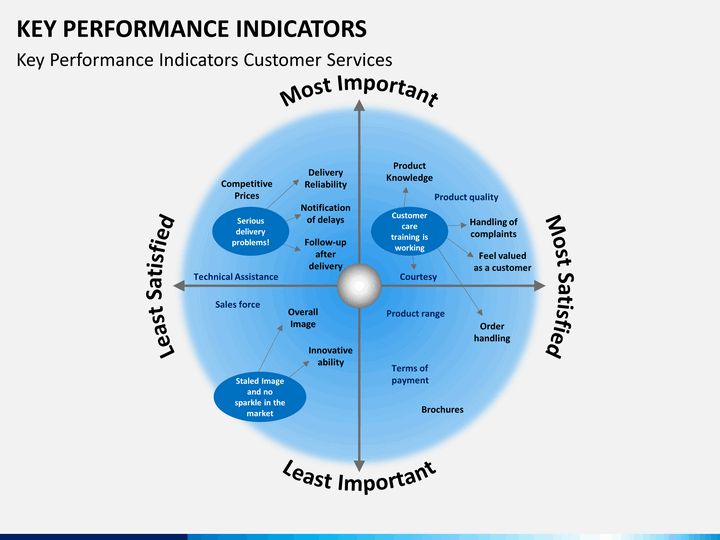
Client Satisfaction
Establish tracking for each claim using the claim filing deadline days for the specific payer. Canceled visits lead directly to lost revenue and decreased patient and employee satisfaction. The Canceled visits reports help you identify the cause for cancellations and take measures to reduce them and avoid revenue leakage. New MDS items under PDPM will require your staff to be keyed into all the comorbidities that make up the individual’s case mix.

This information will allow home care agencies to monitor authorization against usage and adjust future schedules accordingly. Using this metric, home care agencies can optimize the usage of authorized hours and avoid going over the authorized hours to optimize costs. Work with your EHR system to ensure that you have easy daily access to the information you need. Once you have the data at hand, it’s important to continually monitor and assess the information to find areas of strength and weakness within your organization. By utilizing this information, you can maximize your organization’s financial success.
Appendix EKey Indicators of Quality of Care
Eighty-two percent of admissions were non-Hispanic White, with the next largest group of admissions being non-Hispanic Black. The majority of admissions came to the nursing homes from some type of communal living arrangement, with only 26% having lived alone prior to admission. More than half of all admissions (58%) came to the nursing home directly from an acute-care hospital. Close to a majority of admissions had had no episode of long-term care in the past 5 years, but almost 42% had had a previous stay in some nursing home during the 5 years prior to admission to this nursing home. Initial steps in the analyses included a review of the distribution and descriptive statistics for each variable. The dependent variable in these models was change in ADLs in the quarter following admission.
Exploring this treasure trove of information means everyone and everything is looked after by office staff, caregivers on the road, clients, and the agency’s future. For example, client feedback metrics could track positive and negative reports, and help an agency continuously improve care. Caregivers themselves may fill those reports themselves, input feedback of any kind, and also have the chance to describe an occurrence, what may have caused it, and how it was addressed.
Six Key Home Care Business Metrics to Monitor
Most businesses set targets, and KPIs demonstrate clearly whether those targets are being consistently met. As the labor shortage continues to affect businesses nationwide, companies are focused on recruiting, training and retaining ... Feeding directly from the above KPI, turning those inquiries into action is arguably the most important part of your agency’s performance. Tracking this information appropriately – by adding it to an automated system – will help your business know where its success is stemming from and how to best allocate and optimize funds for the upcoming year. At BrightStar Care, most inquiries come through one of two avenues, according to Teresa Celmer, the Senior Vice President of Marketing and Talent Management at BrightStar Care.
We used an admission cohort for these analyses because only by using admission data can one develop a set of covariates or an acuity adjustment model free of any facility influence. So, one is free to use any indicator of status at admission that one chooses as a risk adjustor or covariate with no fear of confounding resident status and home performance. In this way, one has a true baseline status that he or she can use to track changes affected by facility performance. Stavros Katsifis brings a wealth of knowledge and expertise in healthcare financial management to home health and hospice agencies. Stavros has served in various interim management positions including Billing Manager and Revenue Cycle Director.
Understanding what your revenue cycle metrics are telling you about your operations is crucial to running a streamlined home health agency. This webinar will detail the core Key Performance Indicators for home health care and help you better understand what these metrics are telling you about your operations currently and under PDGM. It will also discuss strategies and solutions for real-life challenges home care agencies experience while operating in this space.
This metric, along with Average Pay per hour, will give the gross margin per hour, which should be high enough to cover operation costs. The current Census and trends in the patients under care at a given point will help agencies plan caregiver capacity, plan for growth, and provide insights into the agency's performance. Census data must be available across dimensions such as Payer, Location, and Lines of Service. The indicator is used to manage the demand for acute inpatient services on the health system. Its purpose is to reflect the level of integration between community, primary and secondary care services and to enable making the best use of health resources for planned care rather than acute care.
Having this information and data matters, as once it has been recorded on the 5-MDS Assessment, there is no way to add or adjust resident characteristics without a significant change in status. Staff also will need to be keyed into all the comorbidities and services that determine an individual’s case mix. However, attending to at least these KPIs will help you to develop an understanding of your business performance that will enable you to drive revenue and grow your business over time. Seeing to your business metrics will be the most important regular exercise that you practice as you continue to grow your successful home care business. You can easily track this KPI by calculating the number of times a caregiver was late, skipped the visit, or did not provide care following the plan.
Caregiver turnover is the percentage of caregivers that left your agency within a given time frame. To calculate this KPI, divide the number of caregivers left by the number of all caregivers that worked during a given time. Monthly expenses include all expenditures that your agency has each month. They usually consist of rent, utilities, employee salaries, insurance, taxes, professional services, marketing, advertising, technologies, and more. This KPI shows the number of events in a specific period where your home agency has not met the standard of service due to missed or late home visits, device failures, lack of communication, or failure to bring necessary items. Key performance indicators are quantifiable or measurable values that reveal whether an organization is accomplishing its goals.


No comments:
Post a Comment