Table of Content
The goal of any home care provider is to provide excellence in care and meet the demand for their care services in their community. Well understood and helpful KPIs give your team a clear sense of direction and empowerment. This means that effective KPIs will help to improve performance, because by following direction from the KPI, employees will choose to allocate their time performing actions that make the most difference to achieving key company objectives.

We used an admission cohort for these analyses because only by using admission data can one develop a set of covariates or an acuity adjustment model free of any facility influence. So, one is free to use any indicator of status at admission that one chooses as a risk adjustor or covariate with no fear of confounding resident status and home performance. In this way, one has a true baseline status that he or she can use to track changes affected by facility performance. Stavros Katsifis brings a wealth of knowledge and expertise in healthcare financial management to home health and hospice agencies. Stavros has served in various interim management positions including Billing Manager and Revenue Cycle Director.
Spend less time on paperwork, billing and more time on home infusion patient care
Tracking this number will give you an insight into your employees’ job satisfaction, how successful you are at retaining caregivers and whether your agency is more or less effective when compared to the industry as a whole. Medicaid can directly pay for independent home health aides' benefits, including health insurance and skills training, according to a final rule the Centers for Medicare & Medicaid Services issued Thursday. The final rule allows State Medicaid agencies to provide home health aides not working with an agency employee benefit premiums and union dues deducted from their paychecks. KPIs are a way for us to track key things that we want to measure that will help us achieve our goals. They are specific performance measurements that allow us to see how we’re doing and identify areas for improvement. For your home care provision, this is likely to do with the impact your care provision is having on the quality of life of the people you are responsible for.

If you are like most, though, you will have to build up your reputation with your clients, payer sources, referrals, and caregivers. Profit margins should be considered before taking on certain clients if you suspect that your agency could actually lose money in some care scenarios. To help determine what your profit margin may be for a given client, see this spreadsheet which offers valuable calculation tools for this purpose. A decision on which KPIs your agency will track and how deep in the metrics you’re willing to go will depend primarily on your business organizational priorities and tangible goals. Certain software solutions, such as Timeero, can help you keep track of essential KPIs smoothly so that you can act upon the findings timely.
Lecturer/Senior Lecturer in Nursing, Full time/Part Time
Moving into PDPM mode, understanding the payor mix becomes even more critical than before, and understanding how to calculate your PDPM rates is imperative. Being able to easily access and analyze the information can be the difference between sustainability and financial challenges, both of which will impact your ability to discharge people back into the community with positive outcomes. Measuring an individual’s actionable data before admission is undoubtedly the first and most crucial task SNFs’ sustainability will depend on regardless of whether they are a for-profit or non-profit organization. To get a full picture of the data that’s most valuable, Non-profit SNFs and other non-profit LTC facilities must pay attention to several areas. On the other hand, non-profit Skilled Nursing Facilities don’t enjoy the support of reliable corporations’ finances that could save the business from financial struggles or otherwise protect them from going out of business. Track this KPI to identify profit drivers - internal and external factors that affect your business's profit.
Understanding the difference and how it fluctuates week to week can help the owner assess if they are pricing their services appropriately. In these data, the Cronbach's alpha for these seven ADL performance variables was.91, indicating a high level of internal consistency. The dependent variable was simply the difference between the ADL scale at admission and at the time of the quarterly admission. Positive values reflect decline, whereas negative values reflect improvement. The organisation is looking to set up teaching homes to provide training after participating in practice-based research to improve end of life, dementia and sensory impairment care. This metric should be available by payer, location, and lines of services.
PDPM Requires MDS Coordinators to Handle More Data
In 30 minutes we will show you how MyHelpa provides the capability you need to run a productive, efficient & compliant home care operation. You will need the tools to be able to capture the right data and analyse it accordingly. The purpose of KPIs is to make results more understandable by presenting a clear picture of what is happening in your service or organisation. To be effective, KPIs must unite the entire workforce, whether they are based mainly in the office or they are out in the field providing care. Vice-president Terri Soukup says that the AlayaCare dashboard has helped them significantly refine KPI reporting, allowing the agency to more proactively predict trends. KPIs are measurable values that reveal whether a company is achieving its objectives or not.
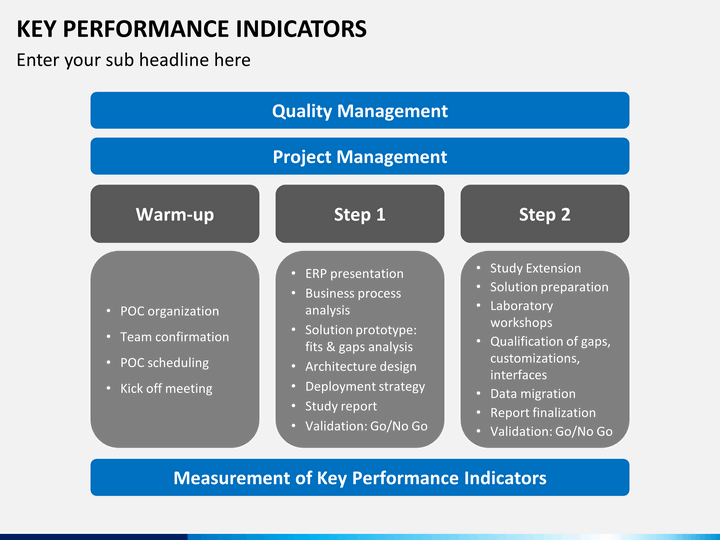
At the same time, your team will understand that KPIs hold them accountable for meeting their performance goals. Improving operational efficiency in scheduling, clinical documentation, and quality assurance will impact the bottom line of Home Care Agencies. In this article, we discuss the five steps home care agencies can take to improve the utilization of clinicians' time. Home Care Agencies should look for a software platform that will provide the right tools to enhance clinicians' productivity. As most Home Health Care agencies already provide Therapy Services as part of the Medicare Part A program, providing Outpatient Therapy Services at home under Medicare Part B or commercial payers will be a natural extension of services.
Average Length of Service
Also, the combination of home and individual characteristics should explain a relatively large proportion of the variation in resident outcomes. As that table indicates, on average, our residents exhibited slight improvement in their ADL function during their first 3 months in a home. This summary statistic is somewhat misleading, in that residents who declined the most in the first quarter either died or returned to hospital and were not included in our analyses. Two thirds of admissions were women, and the majority of them ranged in age from 75 to 94 years.
To put it simply, revenue is income that comes into your agency from paying clients and can help you determine how the business is doing. If the client turnover is significant, it might imply poor client satisfaction and the low quality of the service provided. You can calculate it by dividing the number of all active clients during a time period by the number of months care was provided. There are more aspects of care provision that will help make your home care business more successful. Or there may be strategic goals that teams advance toward over time; for instance, increasing the frequency of care plan reviews, measuring continuity of care, or decreasing staff churn rate. In home care, a quality related focus may be to have all care professionals arrive on time to each visit on their roster, or a percentage reduction in missed or cancelled visits or in medication errors.
He has worked with the multiple agencies’ leadership to install enhanced reporting and operational dashboards into their revenue cycle. His strengths in software such as Tableau, Power BI, and Excel and revenue cycle experience have allowed him to help providers “connect the dots” to achieve a deeper understanding of their current operations. Edith Ragland has significant experience with health care financial management engagements with over 25 years working with home health and hospice agencies, hospitals, SNFs, and physician practices. With her assistance, clients have achieved marginal goals, stabilized and improved processes. Having this information will help the management of home care agencies to identify the cause of missed visits and take corrective measures to reduce them. Having this metric by payer, location, employee, and lines of service will be very helpful.
By doing the math, we find that the profit is $2,880, which then makes the profit margin 1% of their total revenue. You can use this KPI to measure client satisfaction - if it is above average, this KPI suggests that the agency is most likely providing quality care and is successful in retaining its clients. Indeed, key performance indicators for home health care are most effective when the entire staff is familiar with them and is using this data to improve their performance. The goal of any successful business is to find a way to successfully deliver a product or service that appeals to their customers. To do this, you need to understand the factors that will make you successful.
Ultimately, KPIs help each owner create goals that are both challenging but attainable as they begin their journey as a home health care business owner. Nonetheless, we began this article by indicating that a good performance indicator is one that is driven largely by the quality of care provided by a nursing home. In essence, variation in individuals' outcomes should be relatively accurately predicted by knowing the identity of the home in which a resident resides.

Staff felt they were better equipped to handle the frailty of residents and found it easier to communicate with relatives about death and planning for it. Four of the 11 homes provide nursing care as well as personal care to people living with dementia and mental health needs. Home care agencies should monitor gross margin regularly to ensure it is high enough to cover all other operating expenses.
The second model included only the identity of the home as a fixed effect. We also performed analyses with models in which we entered facility identity as a random effect. As billability is a primary concern for home care agencies, these volume and utilization KPIs help decision-makers estimate the number of caregivers required, project revenues, and plan schedules. Analytics by payer, location, and lines of service can help the home care agency understand the billable time per visit. The ability to perform trend analytics on the number of discharges in a defined period helps agencies understand changes and re-utilize available caregivers. The management software utilized by Home Care Agencies must provide reports on discharges across dimensions such as payer, location, and lines of service.
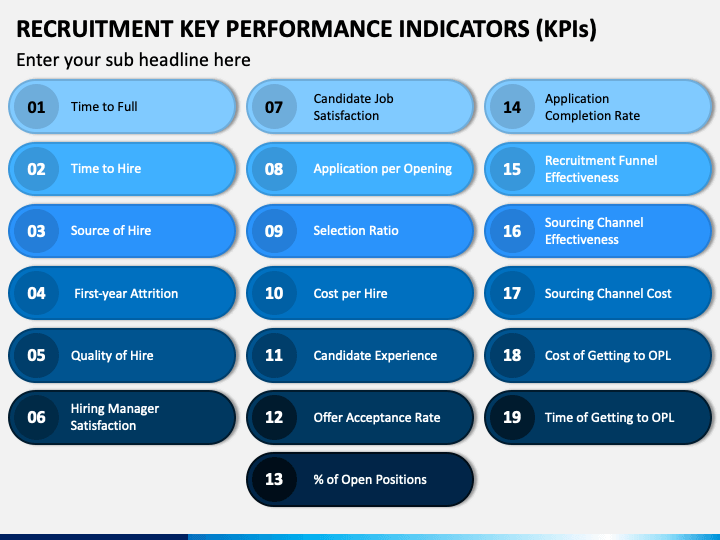
Regarding key performance indicators for home health care, they should cover all key areas like overall client satisfaction, on-time client visits, employee retention, reporting, and billing. That’s why tracking key performance indicators for home health care has become critical, enabling agencies to have a clear insight into their business performance and improve it. The leadership team offers a tailor-made system that tracks 10 key performance indicators , which are then sent to franchisees on a weekly to monthly basis to help inform and steer business decisions.


No comments:
Post a Comment